
The Infinite Game
The Infinite Game
By Raj H.

Photo By Raj
Life is an infinite game; there is no beginning or an ending to it. What seems like an ending is in actuality a change of a season; it’s moving from one season to another.
The life changes it’s game rules every now and then to make sure there is no winner or a loser. This game of life is all about playing the game: do what you can and accept what is.
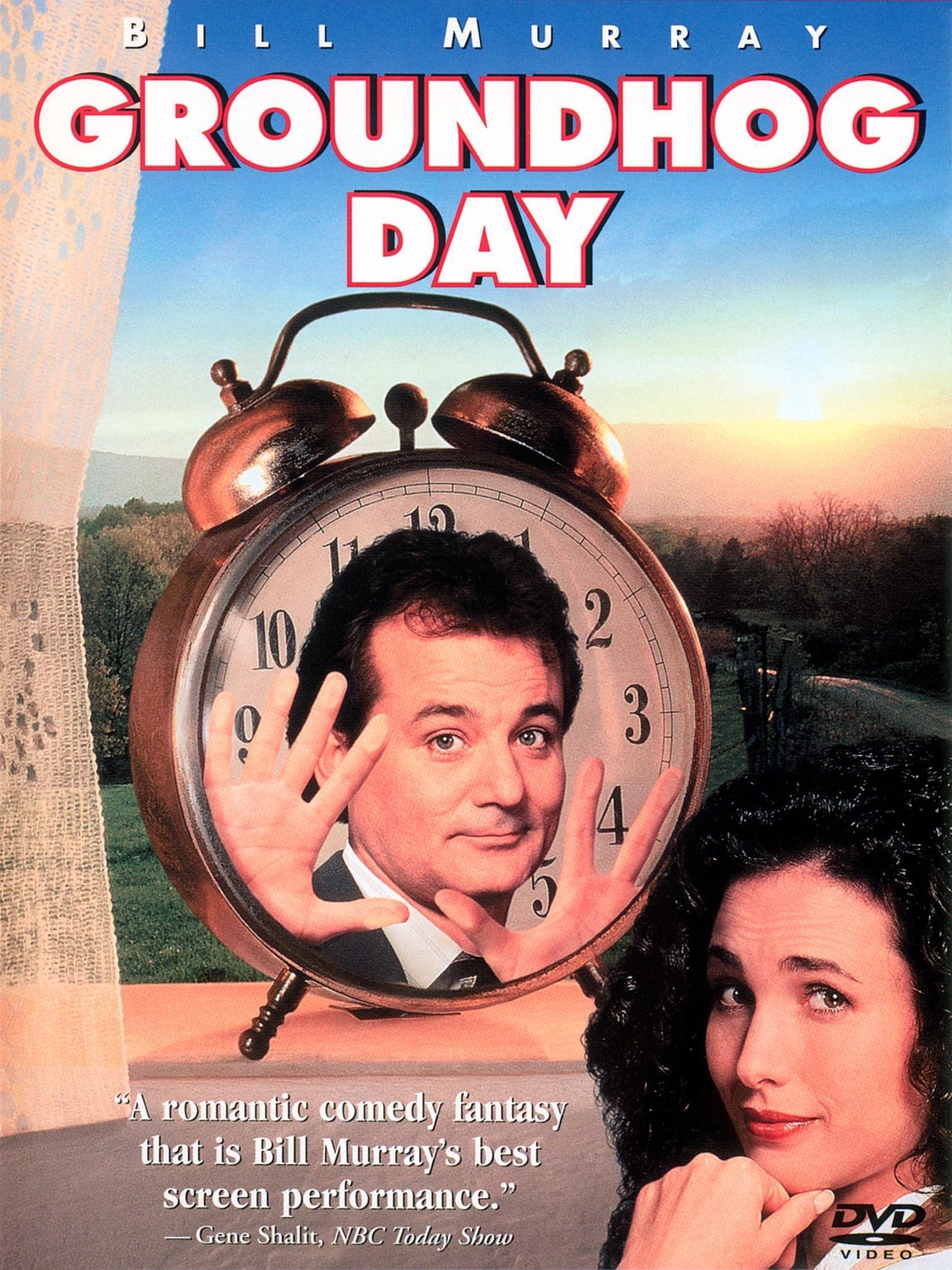
Groundhog Day
Groundhog Day
Are you bored or agitated? Don’t want to be where you are?
Watch the movie “Groundhog Day.” Rent it, buy it, watch it the way you like, and feel lighter as never before.
Spring in Nashville – Part 3

Photo by Raj H.

Photo by Raj H.
Spring in Nashville – Part 2

Photo by Raj H.

Photo by Raj H.

Photo by Raj H.
Spring in Nashville

Spring in Nashville 2014. Photo by Raj H.
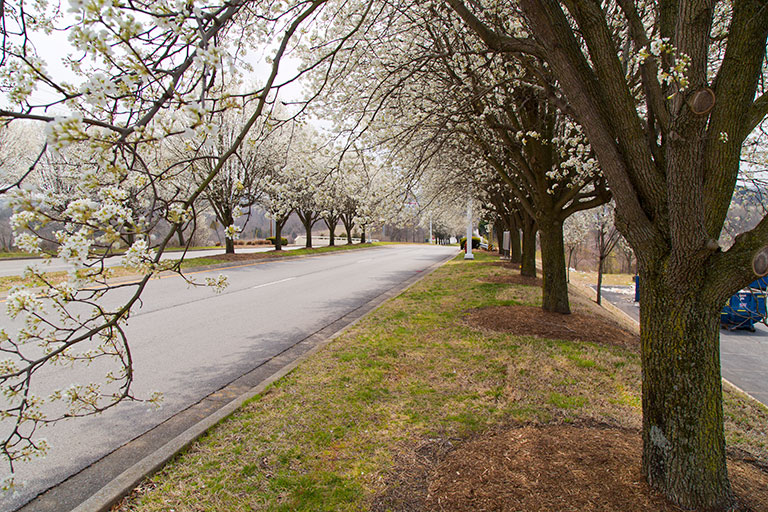
Spring in Nashville 2014. Photo by Raj H.

Spring in Nashville 2014. Photo by Raj H.

Crossings Blvd, Antioch, TN. Photo by Raj H.
What is forgiveness?

Photo by Raj H.
What is forgiveness?
Forgiveness is realizing that nothing is perfect. It’s giving a second chance; it’s a belief that everything changes. Forgiving others is forgiving yourself and seeing yourself in the person you have forgiven. Through forgiveness, you express your real nature.
Written by Raj H.
A view from Natchez Trace Parkway bridge, Nashville. TN.

A view from Natchez Trace Parkway bridge. Photo by. Raj H.
Fender Strat-Squier

Strat-Squier. Photo by Raj H.

Fender Strat-Squier. Photo by Raj H.

Strat-Squier. Photo by Raj H.

Strat-Squier. Photo by Raj H.

Strat-Squier. Photo by Raj H.

Strat-Squier. Photo by Raj H.
They don’t teach how to live with a mistake
Photo by Raj H.
They don’t teach how to live with a mistake.
By Raj H.
After a very long time, I watched, for the second time, the action movie Die Hard (1988) a few days ago. As always, I enjoyed watching Bruce Willis’ superhit action movie. But one dialogue has been playing nonstop in my mind, where a LAPD cop, Sergeant Al Powell says: “You know when you’re a rookie they can teach you everything about being a cop, except how to live with a mistake.” Full story.
It’s so true, in real life too, nobody teaches us how to face a failure or criticism and return to our normal selves. Not everybody has the same capacity or skill to face and overcome failure or criticism because part of it depends on our genes and most of it, on what we observe in our childhood. Basically we learn this skill in our childhood, unknowingly, by watching our elders how they react in certain situations, especially when we make mistakes.
I grew up in a place where the result is more important than the process, where winning is more important (if not the only important thing) than doing, and where if someone makes a mistake or fails at some endeavor, he is treated as an imbecile. After such an experience in the childhood, one will treat himself as a failure when faced with an unwanted outcome. He will think a hundred times before he takes up a new endeavor. And the chances are he will give up at a slight hint of an unintended outcome.
Is there anything we can do about it?
Of course, we can. How we react to an unwanted outcome and criticism is something that happens spontaneously without our conscious effort. In other words, it’s a habit. Since it’s a habit, it can be learned by anybody and at any age. Learning a new habit or changing your existing habit requires practice.
Before we discuss anything about how to change the habit, let’s see how our brain works in this regard. It’s been studied and published innumerable times, but there is no harm in reviewing it one more time.
The information gathered by our sense organs travels as a train of electrical impulse, and it enters the brain via spinal cord. This train’s first stop is limbic system, where the information is perceived as emotions. And it’s last stop is frontal lobe, where logical thinking takes place.
My old and default habit was to respond to an undesired outcome as soon as my emotions start knocking on the door. Then a long period of energy dissipating thinking process before returning to my normal self. This sort of response – based just on emotions and no facts to support – was almost always mediocre and self defeating. It never was the best possible response because I never used to wait for the rational thinking to start.
When I decided to quit this energy sapping habit of reacting impulsively, I started doing this:

Photo by Raj H.
1) As soon as I am faced with an unwanted outcome, I take deep breaths and start watching my emotions.
2) I acknowledge my emotions, but I try not to identify myself with my emotions.
3) I hold myself from judging the outcome; I try not to label it as good or bad.
4) I evaluate the outcome unattached, just the way I do when I am helping a friend or a family member and make a conscious choice of what I want to do next. Mostly I change the way I do things the next time.
I have been practicing above steps as soon as I see challenging emotions coming. I have seen a huge shift in the way I see things. What I used to consider bad is not necessarily bad. It’s just a correction to what I already know. Now I see it as a software upgrade to perform a certain task, which I couldn’t do earlier.”
I set goals, but now I pay more attention to the process than to the goal.
Do you carry feelings of guilt about something you did – or failed to do – in the past? This much is certain: you acted according to your level of consciousness or rather unconsciousness at that time.
Jesus’ words, “Forgive them for they know not what they do,” also applies to yourself.
– Eckhart Tolle.
Lord Ganesh.
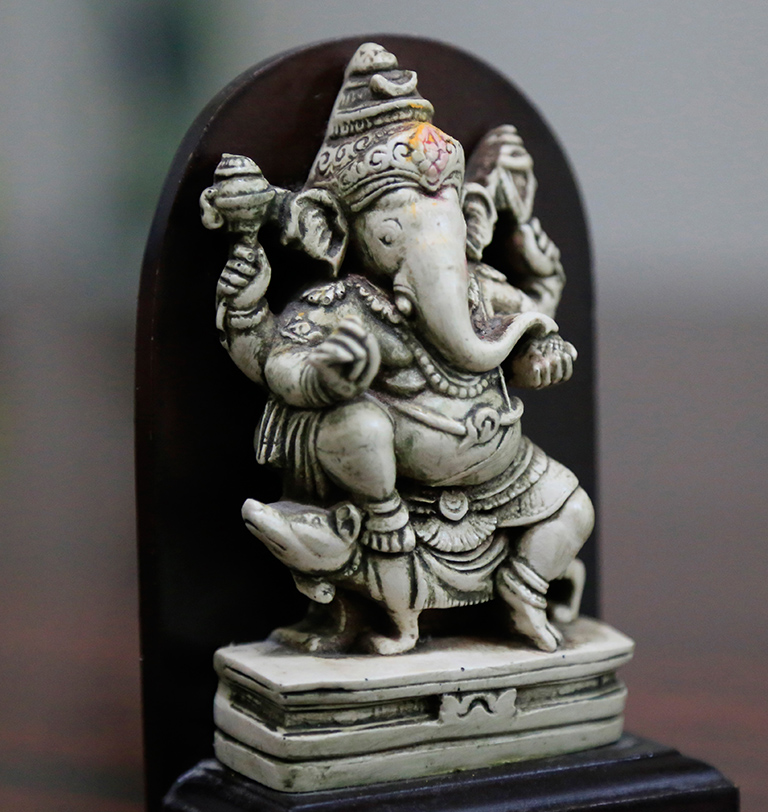
Lord Ganesh.
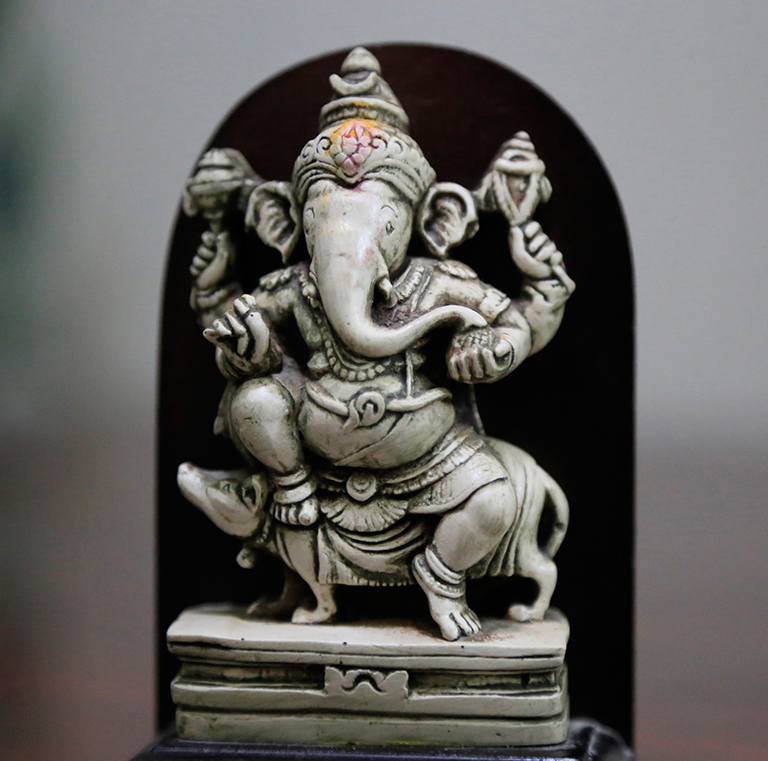
Lord Ganesh.
“My imperfections and failures are as much a blessing from God as my successes and my talents
and I lay them both at his feet.”
Mahatma Gandhi.
Recent Comments
Kamala Raghunathan on Sri Sai Baba Temple, Nashville… rajhazare on Portales, the home of 17,000 f… Satya yenumula on Portales, the home of 17,000 f… Satya yenumula on Live life as it comes rajhazare on Beauty and rhythm Raj's Flickr Photos


